Building Resilience in High-Pressure Environments
Develop mental toughness and emotional resilience to thrive in demanding professional settings.
Resilience is not about being tough or emotionless — it's about having the capacity to recover from difficulty, adapt to change, and keep going despite challenges. In high-pressure environments — medicine, law, tech startups, or corporate life — resilience is a critical skill that can be cultivated intentionally.
The Science of Resilience
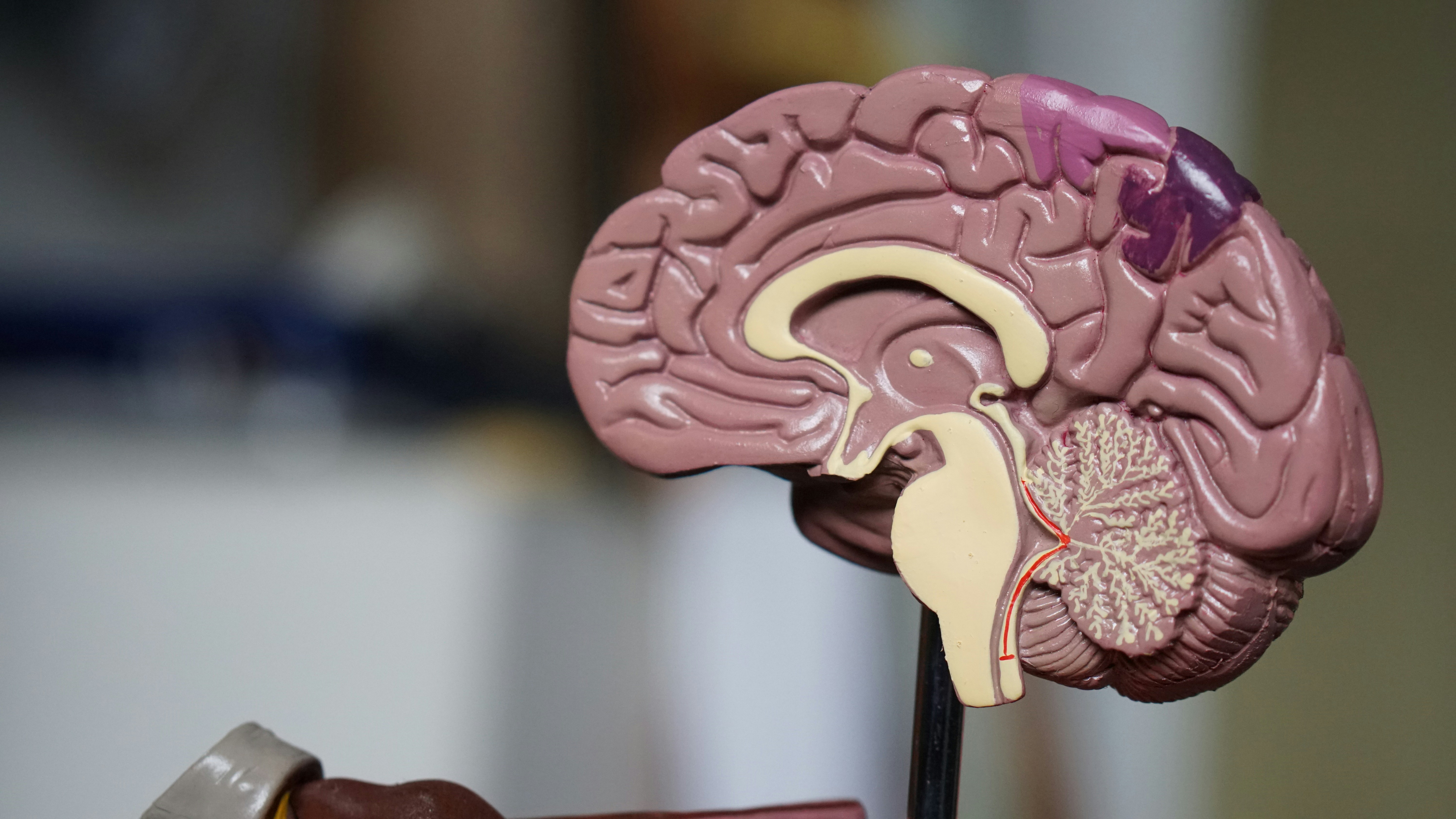
Research shows that resilience is not a fixed trait but a skill that can be developed through practice. Neuroplasticity — the brain's ability to form new pathways — means that how we respond to stress can genuinely change. People who practice resilience-building habits show measurable differences in how their brains process setbacks.
Core Pillars of Resilience
1. Emotional awareness: Knowing what you feel helps you process it rather than be controlled by it. 2. Strong social bonds: People with close, trusting relationships recover faster from adversity. 3. Purpose and meaning: A clear sense of why you are doing what you are doing buffers against burnout. 4. Flexibility in thinking: Reframing failures as learning rather than endings. 5. Self-care routines: Sleep, movement, and nutrition are the physical foundation of mental resilience.
Daily Habits That Build Resilience
Start each day by writing down three things you're grateful for. Practice 10 minutes of mindful breathing. At the end of the day, note one thing that went well and one thing you would do differently tomorrow. These micro-habits compound into a resilient mindset over months.
When Things Fall Apart
Resilience does not mean bouncing back instantly. It is okay to feel the full weight of a setback. Allow yourself time to grieve, then gradually reorient. Seek help when needed — reaching out is an act of resilience, not a sign of weakness.
Resilience in Teams
Resilience is also a team quality. High-performing teams with psychological safety — where members feel safe to take risks and admit mistakes — show greater collective resilience. If you manage others, fostering that culture is one of the most impactful things you can do.